How to Prevent Frozen Pipes During Pennsylvania Winters
Hershey winters hit single digits. Learn how to prevent frozen pipes in Hershey PA with insulation, heat tape, and smart thermostat habits before the first hard freeze.
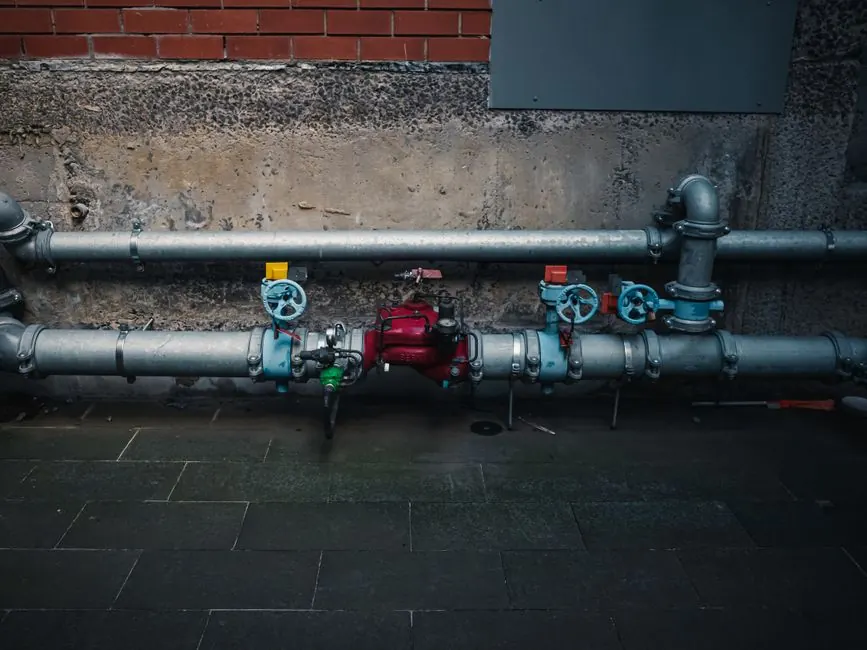
You prevent frozen pipes in Hershey PA by keeping every exposed pipe above 32°F - sealing crawlspace vents, insulating pipes in unheated areas, and letting a pencil-thin stream drip from the farthest faucet on nights below 20°F. That is the short answer. The longer answer matters because Hershey sits in a valley where overnight lows regularly drop into the single digits from December through February, and the homes here were not all built for it. This guide covers why pipes freeze here, the exact temperatures that trigger it, the insulation and heat-tape methods that actually work, and what to do the moment you turn a handle and nothing comes out.
Why Hershey Pipes Freeze So Fast
Hershey pipes freeze fast because most of the housing stock - from 1920s bungalows near the Milton Hershey School to 1990s builds off Cocoa Avenue - runs supply lines through unheated crawlspaces, garages, and rim joists that see the full outdoor temperature. A pipe carrying 40°F water into a 10°F crawlspace loses heat quickly, and the water inside can turn to ice in as little as six hours.
Wind makes it worse. A 15 mph gust pulls heat off an exterior wall the way it pulls heat off your skin, and pipes running along a north-facing wall behind kitchen cabinets are the first to go. We see it every January: a homeowner wakes up to no water in the kitchen, but the bathroom on the south side of the house is fine.
Older homes in the borough also have a higher share of galvanized steel and copper lines, both of which conduct cold straight through the pipe wall. PEX, which became common in renovations after the 2000s, flexes slightly under freezing pressure and buys you a little time - but it still bursts if the ice plug keeps expanding.
At What Temperature Do Pipes Freeze in Hershey?
Water pipes in Hershey begin to freeze when the surrounding air stays at or below 20°F for four to six consecutive hours. The water itself freezes at 32°F, but the pipe wall insulates it slightly, so you usually need sustained air temperatures in the low 20s or colder before ice forms inside a residential line.
That is why the National Weather Service advisories that matter most here are not the 32°F nights - they are the stretches where the high never climbs above 25°F. In a typical Hershey winter we get 10 to 15 of those days, mostly in January and early February.
Three factors push a pipe toward freezing faster than the thermometer suggests:
- Wind chill: A 20°F night with 20 mph wind behaves like 4°F on an exposed pipe.
- Thermostat setbacks: Dropping the house to 60°F overnight saves money, but it also drops the crawlspace below freezing.
- Vacancy: A house left empty for a weekend with the heat at 55°F is the single most common frozen-pipe call we run in Hershey.
How Do I Prevent Frozen Pipes in Hershey PA?
You prevent frozen pipes in Hershey PA by keeping heat where the pipes are, not just where you sleep. That means closing crawlspace vents before the first hard freeze, insulating every accessible line, and letting a trickle run on the coldest nights. Here is the sequence we walk homeowners through every October.
- Disconnect and drain every outdoor hose bib by Halloween. A hose left connected traps water in the sillcock, and that is the number one burst pipe repair Hershey PA call we get in early December.
- Close foundation vents and install vent covers. A $15 foam block over each crawlspace vent keeps the space 8 to 12 degrees warmer.
- Insulate accessible pipes with foam sleeves. Focus on the first 6 feet after the water main enters the house, plus anything running through the garage or along an exterior wall.
- Seal air leaks around pipe penetrations. Expanding foam where the main line enters through the foundation stops cold air from washing over the pipe.
- Keep cabinet doors open under kitchen and bathroom sinks during cold snaps so warm room air reaches the trap and supply lines.
- Let one faucet drip - a pencil-thin stream, not a full flow - on nights forecast below 20°F. Moving water freezes much more slowly than still water.
- Set the thermostat no lower than 60°F when you leave for more than a day.
If you want a second set of eyes on the whole system before winter, our team handles Plumbing Hershey PA calls year-round and can walk your crawlspace with you in under an hour.
Pipe Insulation and Heat Tape: What Actually Works
Pipe insulation in Hershey works best when you match the product to the pipe location. Foam rubber sleeves (the gray or black tubes from any hardware store) are fine for interior pipes in heated spaces. For anything in a crawlspace, garage, or exterior wall, you need either closed-cell insulation rated to 0°F or a self-regulating heat cable.
Heat tape is the more reliable option for problem pipes. A quality self-regulating cable costs $40 to $90 for a 12-foot run in 2026 and draws only about 3 to 5 watts per foot, so it adds a few dollars a month to your electric bill. Install it in a spiral wrap around the pipe, then cover it with fiberglass or foam insulation so the heat stays on the pipe instead of escaping into the crawlspace.
Two things to skip: never wrap heat tape over itself (it can overheat and fail), and never use regular duct tape to secure it - use the fiberglass tape that comes in the kit. If you are not comfortable working around electrical connections in a damp crawlspace, this is a job worth handing off. We install heat cable and pipe insulation as part of our pipe repair Hershey PA service, and we test every run with a clamp meter before we close up the crawlspace.
What to Do If Your Pipes Freeze in Hershey Pennsylvania
If your pipes freeze in Hershey Pennsylvania, the first move is to shut off the main water valve and open the nearest faucet. That relieves pressure behind the ice plug and gives the melting water somewhere to go. Then warm the pipe slowly with a hair dryer, a heat gun on low, or towels soaked in hot water - never with an open flame or a propane torch.
Work from the faucet end back toward the frozen section. If you start at the middle, you can trap pressurized water between two ice plugs and split the pipe. A copper line can crack at 2,000 psi of expansion pressure, and you will not know it happened until the thaw floods your basement.
Signs you already have a burst pipe:
- Water staining on drywall or ceiling tiles after a cold night
- A sudden drop in water pressure at every fixture
- Hissing or rushing water sound inside a wall
- Meter spinning with every faucet closed
If you see any of those, call us before you start thawing. A burst pipe repair Hershey PA call at 6 a.m. is a lot cheaper than a flooded finished basement. Our emergency Plumbing Hershey PA team runs 24-hour calls through the winter for exactly this situation.
Common Mistakes Homeowners Make Every Winter
The most common winter plumbing mistake in Hershey is trusting a thermostat setback to save money while the crawlspace drops below freezing. A house at 62°F upstairs can easily be 28°F under the floor, and that is where the pipes live.
Other mistakes we see on service calls every season:
- Leaving the hose connected. Water trapped in the sillcock freezes and splits the valve body.
- Insulating only the pipe, not the air leaks. Cold air moving past insulation defeats it.
- Using a torch to thaw a line. This starts more house fires in Pennsylvania than any other winter plumbing mistake.
- Ignoring a slow drain. A partially clogged line freezes faster because the water sits longer. If your kitchen sink has been slow since Thanksgiving, schedule drain cleaning Hershey PA before the deep freeze.
- Opening the crawlspace door "to check on things" during a cold snap and leaving it open for an hour.
When to Call a Professional
Call a professional when you cannot find the frozen section, when you see any sign of a burst, or when the same pipe has frozen twice in one season. A repeat freeze means the insulation or heat tape is wrong, not that you got unlucky.
Our technicians at Plumber Hershey PA handle frozen-pipe calls across the borough and the surrounding townships every winter. We locate the ice plug with an infrared camera, thaw it safely, pressure-test the line, and repair or replace any section that cracked. If the pipe is old galvanized steel that has frozen before, we will tell you straight whether a spot fix or a full pipe replacement Hershey PA makes more sense for your budget.
We also see a lot of freeze damage in the older homes around downtown Hershey and the neighborhoods off Chocolate Avenue, where supply lines run through unheated porches. If your house is on a slab or has a crawlspace you have not looked at since summer, that is the first place we check.
Frequently Asked Questions
How do I prevent frozen pipes in Hershey PA?
Keep crawlspace vents closed, insulate every accessible pipe, seal air leaks around penetrations, and let a pencil-thin stream drip from the farthest faucet on nights below 20°F. Set the thermostat no lower than 60°F when you leave. Disconnect outdoor hoses by Halloween.
What temperature do pipes freeze in Hershey?
Water freezes at 32°F, but residential pipes in Hershey typically need four to six hours of air temperatures at or below 20°F before ice forms inside the line. Wind chill below 10°F speeds that up dramatically, especially on north-facing exterior walls.
What should I do if my pipes freeze in Hershey PA?
Shut off the main water valve, open the nearest faucet, and thaw the pipe slowly with a hair dryer or hot towels, working from the faucet back toward the frozen section. Never use an open flame. If you see water staining or hear rushing water, call a plumber before thawing.
Can a plumber fix frozen pipes in Hershey?
Yes. We thaw frozen lines safely with heat guns and infrared cameras, then pressure-test the pipe to confirm it did not crack. Most frozen-pipe calls take one to two hours, and we repair or replace any damaged section the same visit.
How much does frozen pipe repair cost in Hershey PA?
Thawing a single frozen line typically runs $150 to $350 in 2026. If the pipe burst, repair or replacement usually lands between $400 and $1,200 depending on access and pipe material. We quote the price before we start work.
Get Help with Plumbing in Hershey
If your pipes have already frozen, or you want us to winterize your crawlspace before the next cold snap, call Plumber Hershey PA at (717) 607-0560. We run 24-hour emergency calls through the winter and schedule preventive winterization visits across Hershey and the surrounding townships.